Clear explanations of important guidance, regulatory proposals and care-sector developments that may affect fire-door planning, evidence and maintenance.
Effective 30 September 2026
Published 21 September 2026
Revised Approved Document B takes effect
The revised fire-safety guidance includes provisions supporting more than one common stair in taller blocks of flats, evacuation lifts and protected evacuation shafts. It also updates fire-door specifications for corridors, protected stairs, evacuation shafts and lift lobbies.
Why it matters
Relevant door schedules should be checked against the applicable edition and Table C1 rather than assumed from an earlier specification. Qualifying projects may fall within transitional arrangements, so the applicable guidance must be recorded for each project.
CQC expects clear fire-safety evidence at registration
Care-home applicants should be ready to provide a current fire-risk assessment and evidence that identified actions have been addressed. Relevant information can include evacuation arrangements, floor plans, equipment records, staff training, drills and safety certificates.
What providers should retain
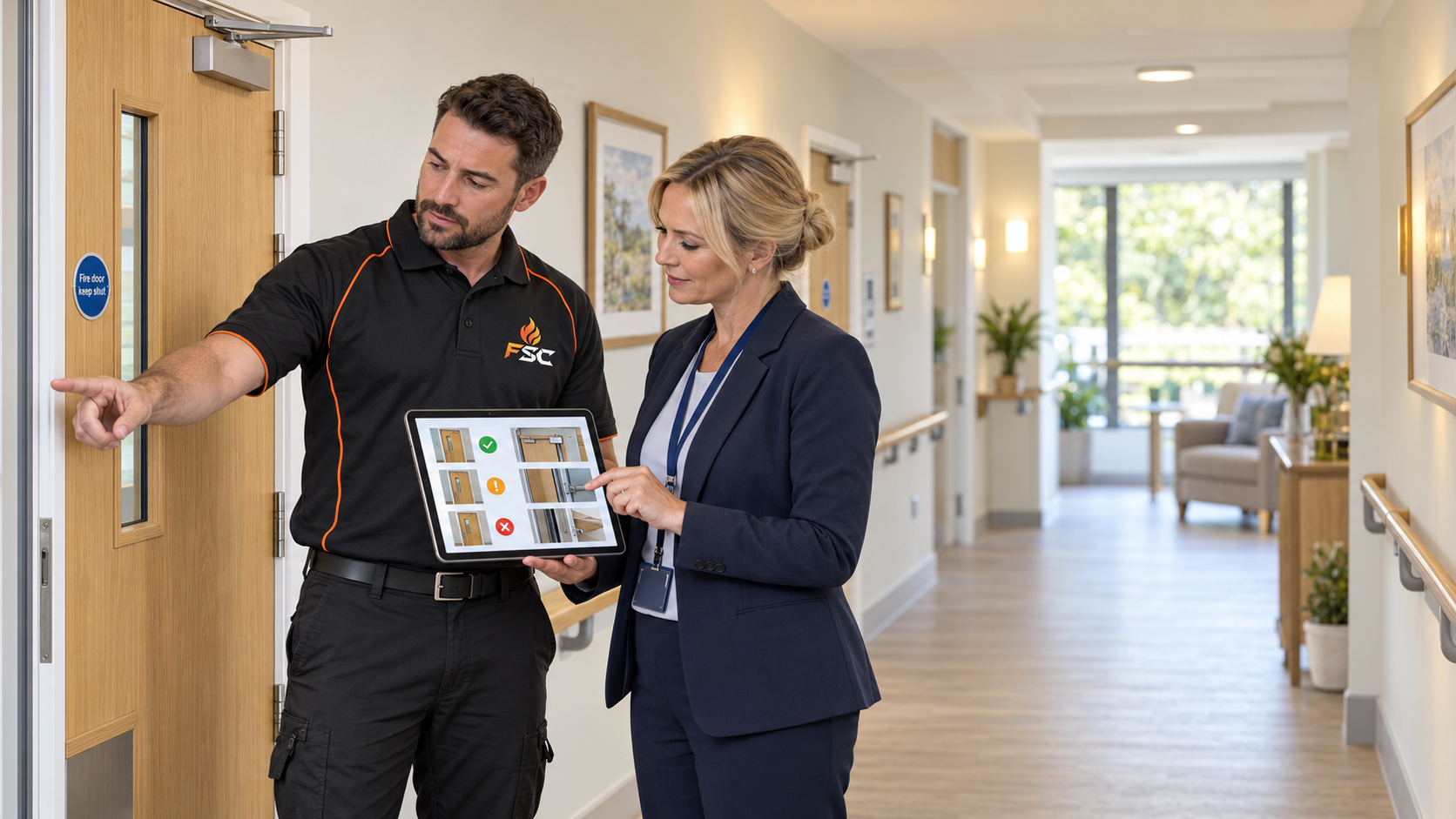
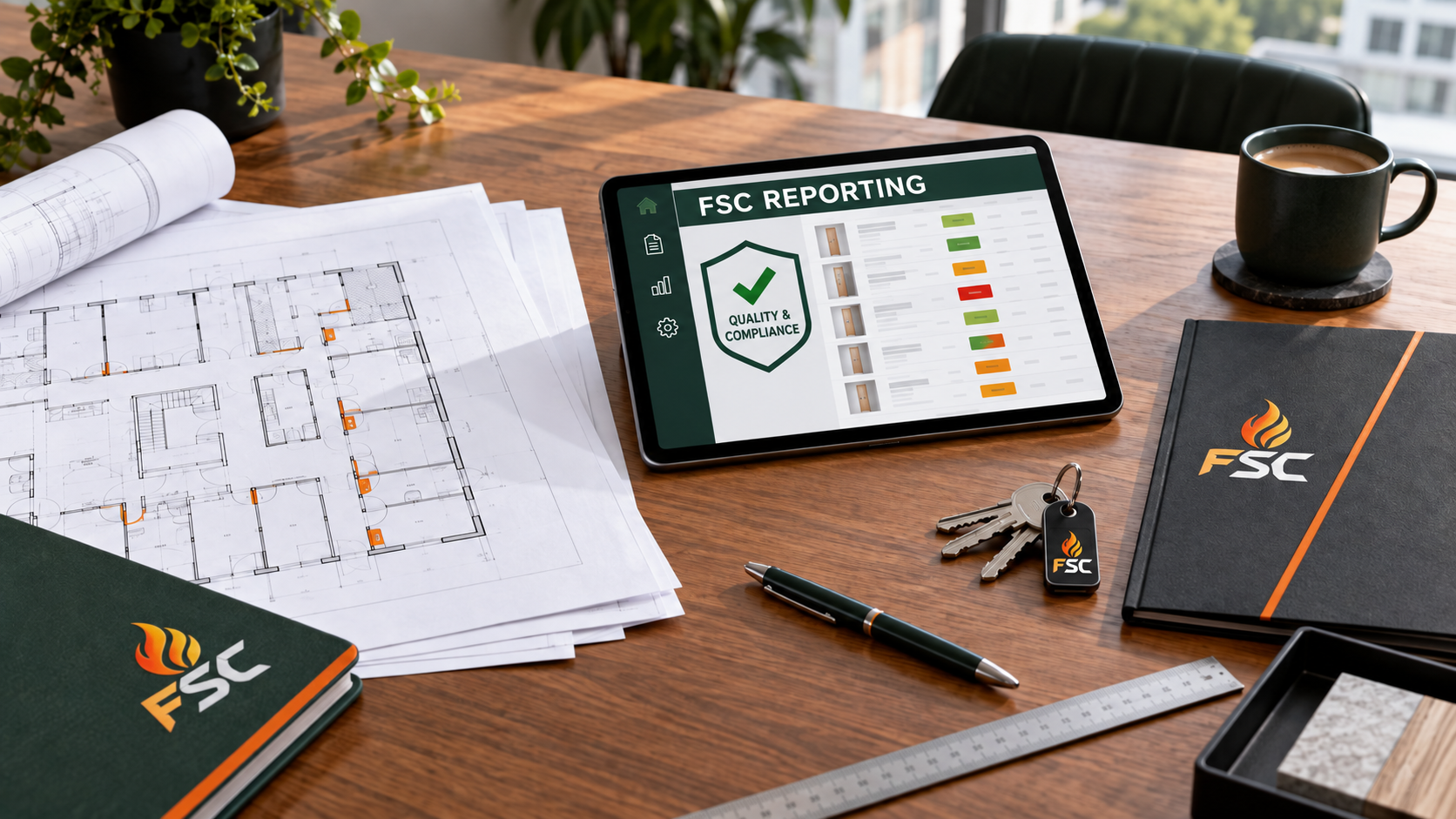
Fire-door asset registers, dated inspection photographs, prioritised remedial schedules, completion evidence and planned re-inspections can help demonstrate that defects have been managed rather than simply recorded.
A fire-risk assessment alone does not close defects
Published CQC assessments demonstrate why providers need recorded fire-door checks, prompt remedial action and evidence that previously identified issues have been closed. Missing records, badly fitting doors, wedged-open doors and outstanding compartmentation work can affect how safety and governance are assessed.
Practical evidence
Maintain a clear trail showing the asset, defect, priority, responsible person, completion date, photographic evidence and re-inspection outcome.
Mandatory regulation of fire-risk assessors is proposed
The government has consulted on consistent competency standards, mandatory accreditation and regulatory powers for the fire-risk-assessment profession. Legislation would still be required before these proposals become law.
What customers can do now
Ask assessors to demonstrate appropriate qualifications, certification, professional insurance and continuing professional development. Keep fire-risk assessment work clearly distinguished from fire-door inspection, installation and maintenance certification.